
Nearly 400 firms fined as minimum wage breaches hit 60,000 workers

Nearly 400 UK employers have been fined for failing to pay the legal minimum wage, with thousands of workers left out of pocket as enforcement action intensifies ahead of further pay rises this spring.
According to government figures, 389 businesses have been ordered to repay more than £7.3 million to around 60,000 employees who were underpaid. In addition, firms have been hit with financial penalties totalling £12.6 million, highlighting what ministers described as a continued crackdown on non-compliance.
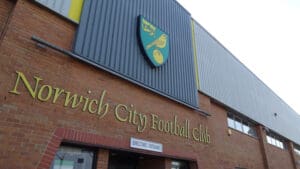
High-profile organisations named among those penalised include Busy Bees, Norwich City Football Club, Hays Travel and Costa Coffee, underlining the breadth of the issue across sectors ranging from hospitality to childcare and travel.
The enforcement action comes just weeks before minimum wage rates are set to rise again in April 2026, affecting around 2.7 million workers across the UK.
From next month, the National Living Wage for workers aged 21 and over will increase from £12.21 to £12.71 per hour, equivalent to an annual salary of £24,784.50 for a full-time worker, representing a £900 increase.
Younger workers will also see significant uplifts. The National Minimum Wage for those aged 18 to 20 will rise from £10 to £10.85 per hour, following a 16 per cent increase last year. This latest rise will add around £1,500 annually for full-time employees in that age bracket.
Meanwhile, the rate for 16- and 17-year-olds will increase to £8 per hour, and apprentice rates will also rise in line with these changes depending on age and experience.
The government has signalled its longer-term ambition to simplify the system by eventually introducing a single adult rate, removing the current distinction between age groups.
Despite clear legal requirements, underpayment of wages remains a persistent issue. Employers are required by law to pay at least the statutory minimum rates, regardless of whether staff are paid hourly, salaried or on piece rates.
Breaches can occur for a variety of reasons, including miscalculating working hours, failing to pay for training time, deducting uniform costs incorrectly, or administrative errors, but enforcement bodies have increasingly taken a tougher stance.
Failure to comply is a criminal offence, with HM Revenue & Customs responsible for investigating complaints and issuing penalties. Businesses found in breach must not only repay workers in full but also face fines of up to 200 per cent of the underpayment.
Workers who believe they have been underpaid can report concerns directly to HMRC or seek guidance from Acas.
The issue of wage compliance comes against a backdrop of ongoing cost-of-living pressures, with campaigners arguing that even full compliance with statutory minimums does not necessarily equate to a living income.
Alongside the legal framework sits the voluntary “Real Living Wage”, set by the Living Wage Foundation, which aims to reflect the actual cost of living. As of October 2025, this stands at £14.80 per hour in London and £13.45 across the rest of the UK.
The foundation estimates that its recommended rate is worth £2,418 more annually than the legal minimum for UK workers, rising to over £5,000 in London, highlighting a significant gap between statutory pay floors and real household costs.
The latest enforcement figures suggest regulators are stepping up scrutiny as wage levels rise and labour market pressures persist. For employers, the message is increasingly clear: compliance is not optional, and the financial and reputational risks of getting it wrong are growing.
With minimum wage rates continuing to climb and the government signalling further reforms to simplify the system, businesses face increasing pressure to ensure payroll systems, contracts and working practices are fully aligned with legal requirements.
As the labour market evolves, and as public and political focus sharpens on fairness in pay, enforcement action of this scale is unlikely to be the last.
Read more:
Nearly 400 firms fined as minimum wage breaches hit 60,000 workers