Trump to require all foreign tourists to hand over five years of social media data under sweeping new vetting plan

The Trump administration is preparing to impose one of the most stringent travel-screening requirements in modern US history, with foreign tourists set to be required to hand over five years of their social media history before they are allowed to enter the country.
The proposal, filed quietly this week in the Federal Register by US Customs and Border Protection, would apply to all foreign nationals, including travellers from visa-waiver countries such as the UK and Germany. It marks the latest escalation in the administration’s efforts to tighten border vetting, coming just days after a sweeping freeze on immigration applications from 19 countries and the cancellation of citizenship ceremonies across the US.
Under the plan, visitors would be compelled to disclose their social media accounts stretching back half a decade, along with associated email addresses, phone numbers and information about close family members. Officials say the US public has 60 days to comment on the proposal before it begins moving through the formal approval process.
The move follows a State Department rule introduced in June requiring would-be immigrants and visa applicants to make their social media accounts publicly accessible to US authorities. Monday’s proposed expansion takes the requirement even further, sweeping up short-term business travellers, tourists and those entering through the world’s busiest airports ahead of the 2026 FIFA World Cup and 2028 Los Angeles Olympic Games.
The White House and Department of Homeland Security have not yet issued a public statement, although Travelling for Business has contacted both for comment.
The administration argues that enhanced scrutiny is necessary to identify potential extremists and applicants exhibiting what it calls “anti-Americanism.” In August, US Citizenship and Immigration Services said officers would begin examining visa and green-card applicants’ social media posts to determine whether they had “endorsed, promoted, supported or otherwise espoused” anti-American, terrorist or antisemitic views.
“America’s benefits should not be given to those who despise the country,” USCIS spokesman Matthew Tragesser said at the time. “Immigration benefits remain a privilege, not a right.”
Critics warn the latest measures open the door to broad interpretation and bias, with officers required to make subjective calls about what constitutes anti-American sentiment. Scholars and immigration experts say the lack of definition risks inconsistent decisions that could unlawfully target political speech.
Jane Lilly López, a sociology professor at Brigham Young University, said the proposals could “allow stereotypes and prejudice and implicit bias to take the wheel,” with potentially life-altering consequences for applicants.
The social-media vetting expansion lands amid a raft of new restrictions, including a temporary ban affecting more than 1.5 million people with pending asylum applications and tens of thousands previously approved under the Biden administration. Trump has also signalled that a wider travel ban, covering more than 30 countries, may follow.
A DHS memo obtained by The Washington Post outlines a sweeping re-screening process in which all migrants from the restricted list would face fresh interviews and new assessments of “national security and public safety threats.”
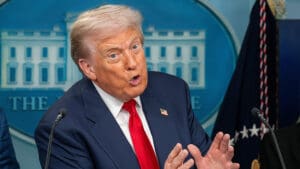
President Trump has defended the measures, saying the Biden administration allowed “unvetted migrants” to enter the country and pointing to the recent attack near the White House involving a suspect from Afghanistan. He has vowed to “permanently pause migration from all Third World countries” and to pursue “reverse migration” as a remedy.
Secretary of State Kristi Noem endorsed the policy direction this week, pledging support for a “full travel ban” on countries she claims are sending “killers, leeches and entitlement junkies.”
If enacted, the social-media disclosure requirement would become one of the most intrusive travel-screening rules globally, one likely to complicate business travel, tourism and major event planning ahead of the World Cup in North America. Millions of international visitors are expected to transit US airports in the next three years, with airport authorities already bracing for increased processing times and higher documentation demands.